New publication about MRI/MPI tracking of Stem-cell-derived Extracellular vesicles at Journal of Extracellular Vesicles

Title: Magnetically Labelled iPSC-Derived Extracellular Vesicles Enable MRI/MPI-Guided Regenerative Therapy for Myocardial Infarction:https://doi.org/10.1002/jev2.70178

ABSTRACT

Stem cell-derived extracellular vesicles (EVs) offer a promising cell-free approach for cardiovascular regenerative medicine. In this study, we developed magnetically labelled induced pluripotent stem cell-derived EVs (magneto-iPSC-EVs) encapsulated with superparamagnetic iron oxide (SPIO) nanoparticles for image-guided regenerative treatment of myocardial infarction, in which EVs that can be detected by both magnetic resonance imaging (MRI) and magnetic particle imaging (MPI). iPSC-EVs were isolated, characterized per MISEV2023 guidelines, and loaded with SuperSPIO20 nanoparticles using optimized electroporation conditions (300 V, 2 × 10 ms pulses), achieving a high loading efficiency of 1.77 ng Fe/106 EVs. In vitro results show that magneto-iPSC-EVs can be sensitively detected by MPI and MRI, with a detectability of approximately 107 EVs. In a mouse myocardial ischemia-reperfusion model, intramyocardially injected magneto-iPSC-EVs (2 × 10⁹) were imaged non-invasively by in vivo MPI for 7 days and ex vivo MRI, with the presence of magneto-iPSC-EVs confirmed by Prussian blue staining. Therapeutically, both native and magneto- iPSC-EVs significantly improved cardiac function, with a 37.3% increase in left ventricular ejection fraction and 61.0% reduction in scar size. This study highlights the potential of magneto-iPSC-EVs as a cell-free approach for cardiovascular regenerative medicine, offering both non-invasive imaging capabilities and therapeutic benefits for myocardial repair.
New publication on a MSOT clinical study

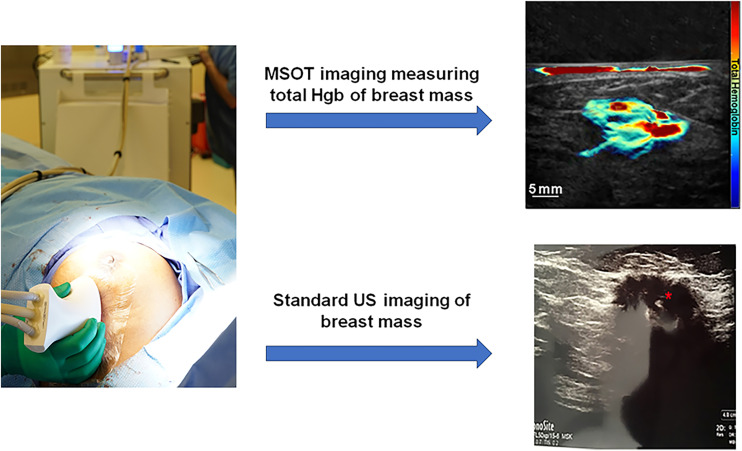
Excited to share a new publication titled “Assessment of Breast Tumors Using Multispectral Optoacoustic Tomography in a Surgical Setting” publisehd at Journal of Nuclear Medicine:

J Nucl Med
. 2025 Oct;66(10):1597–1604. doi: 10.2967/jnumed.125.269852

Abstract

In breast-conserving surgery, wire or seed localization and ultrasound are limited by lack of margin detection and contrast imaging, respectively. Handheld multispectral optoacoustic tomography (MSOT) allows for contrast imaging using endogenous or exogenous agents. This trial evaluated the safety and performance of MSOT for imaging breast masses intraoperatively. Methods: Imaging with MSOT was performed on 45 women preoperatively and postoperatively. The temperature and appearance of the skin were recorded before and after imaging. Levels of deoxyhemoglobin, oxyhemoglobin, total hemoglobin, and microvascular oxygen saturation were recorded for malignant and benign breast tissue using MSOT. In patients undergoing sentinel lymph node biopsy, the ipsilateral axilla was imaged with MSOT. For analysis, patients were categorized by Fitzpatrick skin type. Results: All breast masses were successfully imaged as cancers using MSOT. In preoperative and postoperative imaging, patients’ skin temperatures did not exceed 37 °C, and no adverse effects were observed after imaging across all Fitzpatrick skin types. The findings in breast tumor images using deoxyhemoglobin (mean, 0.0782), oxyhemoglobin (mean, 0.0833), and total hemoglobin (mean, 0.161) were each significantly different from those of contralateral breast presurgery (P < 0.0001). Microvascular oxygen saturation did not significantly differ between breast tumors and contralateral breast tissue (P = 0.704). The average imaging time before and after surgery was 3 min. No adverse events were recorded. All 3 positive sentinel lymph nodes identified intraoperatively using isosulfan blue injection were successfully imaged by MSOT preoperatively, and no false-positives were obtained with MSOT. Conclusion: MSOT is safe for use in image-guided breast cancer detection and has not been shown to increase patient skin temperature. MSOT can successfully distinguish between cancer and benign tissue using endogenous contrast agents and identify sentinel lymph nodes using isosulfan blue.

Multiplication practice game for children

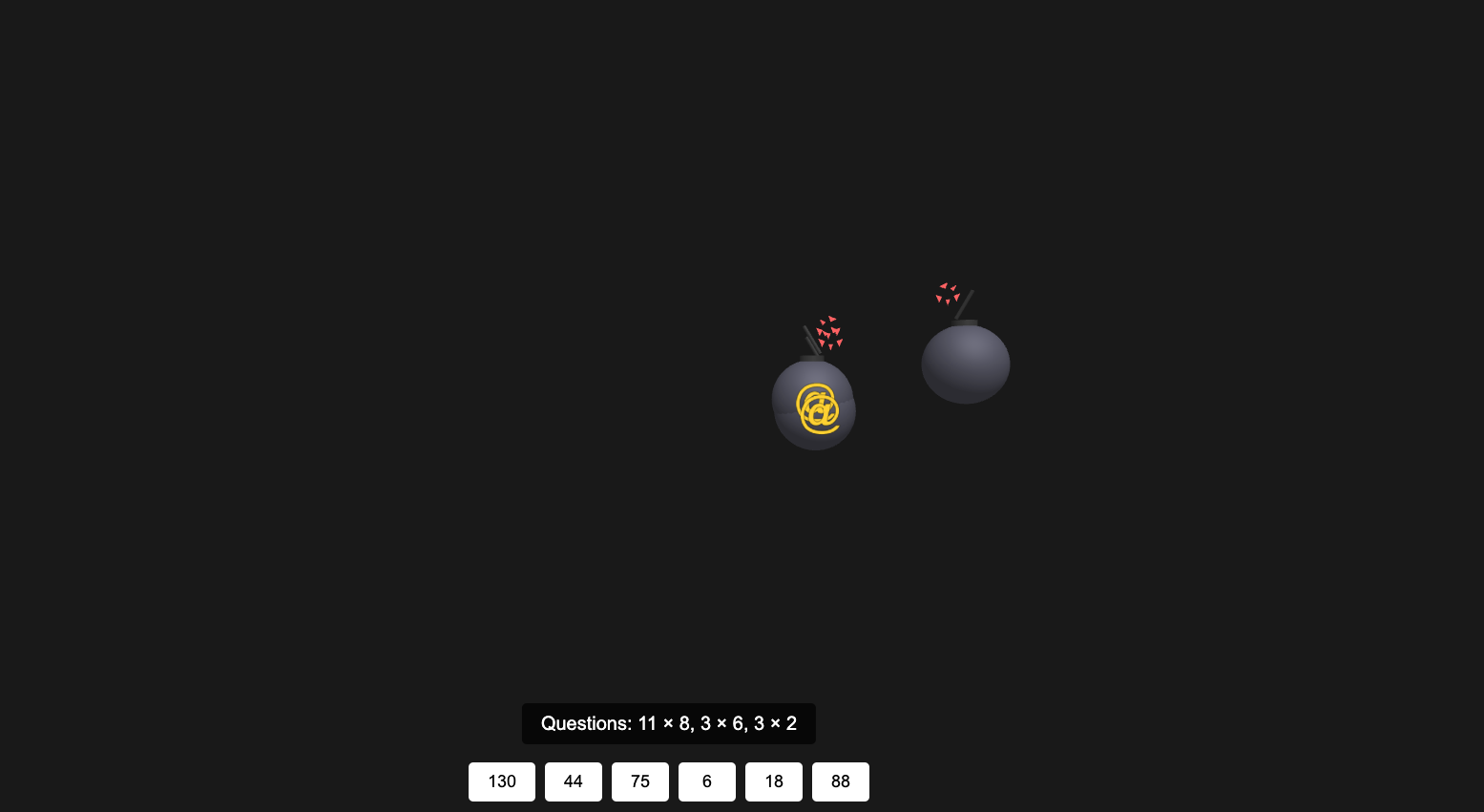
Just wrapped up an awesome project with my 5-year-old son! Together, we built a web game to make practicing multiplication super fun—using Claude.ai! We teamed up to brainstorm ideas, crafted a few prompts, and voilà—a simple yet fun web game was born. We are amazed at how amazing the result is. The LLM models are amazing. I am definitely eager to create more games with those tools.
Check out our game here: http://provee.io/math/math-exploders.html🌟